
Born in Seoul in 1967, Lee Young-A is a Korean abstract painter who has long built her practice around the accumulation of memory, emotion, and traces of time on abstract surfaces. Her work goes beyond a simple combination of color and form. Within repeatedly layered textures and restrained compositions, one finds the subtle imprint of passing time,the warmth of human relationships, and the lingering emotional resonance of life.
Lee earned her BFA in Fine Arts, Master of Design, and PhD in Design from Konkuk University. For many years, she balanced research, teaching, and artistic creation while serving as a professor at the university. She currently serves as President of the Human Image Design Association and continues her artistic practice actively as an Invited Artist of the Korean Fine Arts Association.
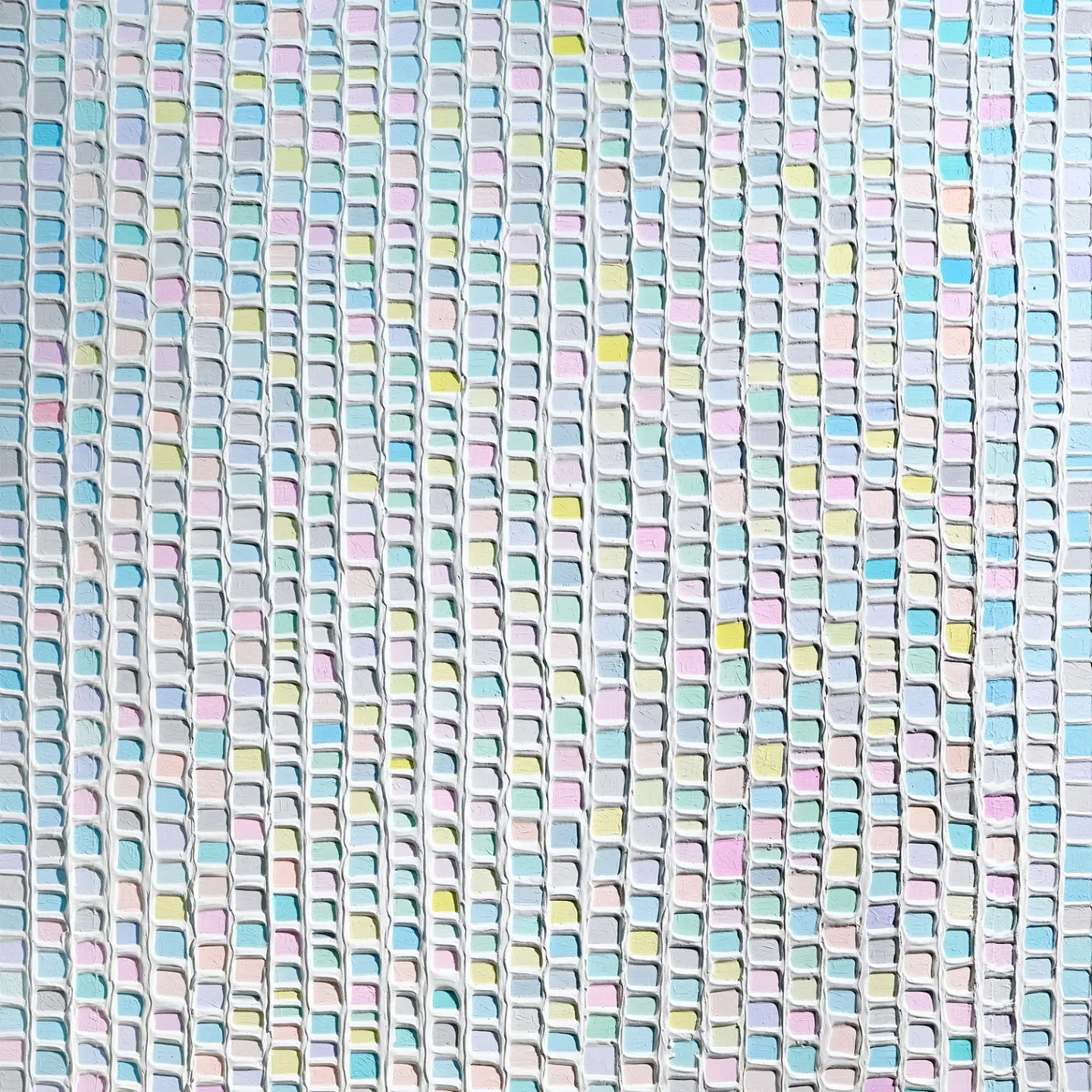
One of Lee’s representative series, Beautiful Times, symbolically encapsulates her artistic world. The small repeated units accumulated across the canvas are not merely formal devices, but metaphors for memories of time past and traces of emotion. Her refined colors and delicate rhythmic surfaces reveal how fleeting moments gather to form a life, and how emotional textures remain even as time disappears. This body of work received official recognition in 2022 when it won the Grand Prize in the Non-Representational Painting Division at the 41st Korea National Art Exhibition.
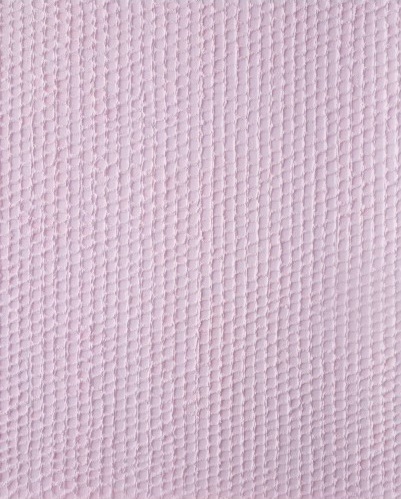
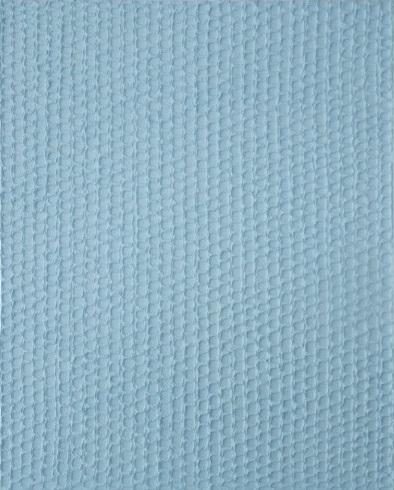
Another major body of work, the Seonyeon series, expresses the sense of relationship and connection through a more condensed visual language. Repetitive textures, the tension and balance of color fields, and rhythms inscribed onto the surface evoke invisible ties between people, memories, and time. For the artist, the canvas is not a space for representation, but afield in which accumulated emotions and memories breathe again. This series further established her distinctive abstract language, culminating in the Grand Prize at the 26th Unification Culture Festival Art Exhibition in 2022.
Lee Young-A has held invited solo exhibitions at venues such as Banyan Tree Hotel, Hyundai Department Store Gallery H, and the World Art Expo, and has received major awards including the Grand Prize and the Critics’ Award at the Korea National Art Exhibition. Through a language of restraint and accumulation rather than dramatic gesture,her work demonstrates how abstraction can hold memory, relationships, and the depth of human existence.

Follow Artbooth
Abu Dhabi: +971 52 338 4009
+971 2 442 0243
info@artboothgallery.com
Seoul: +82 10-5088-1260
+82 2 560 1230
artboothseoul@artboothgallery.com
Join Mailing List


