
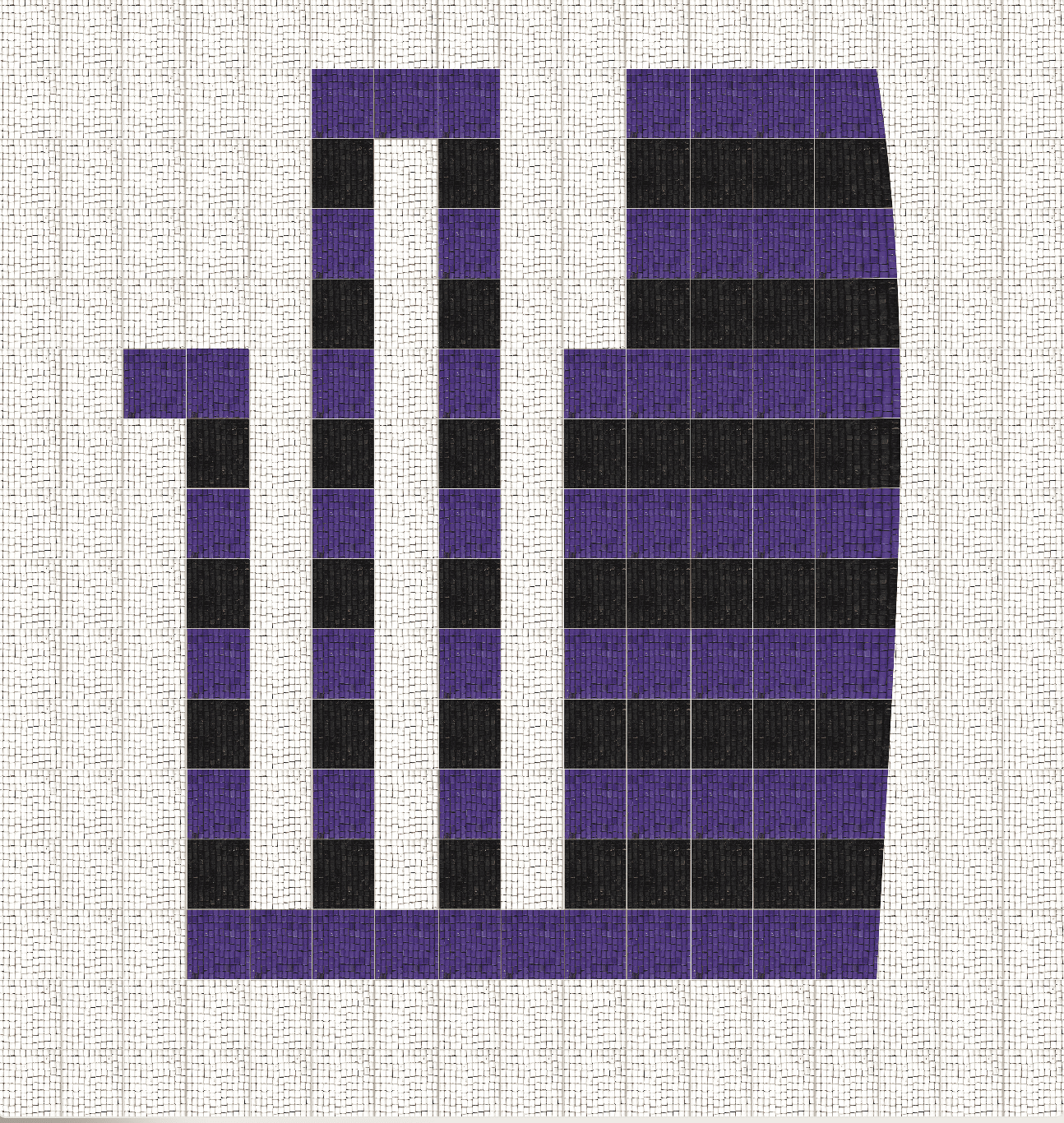
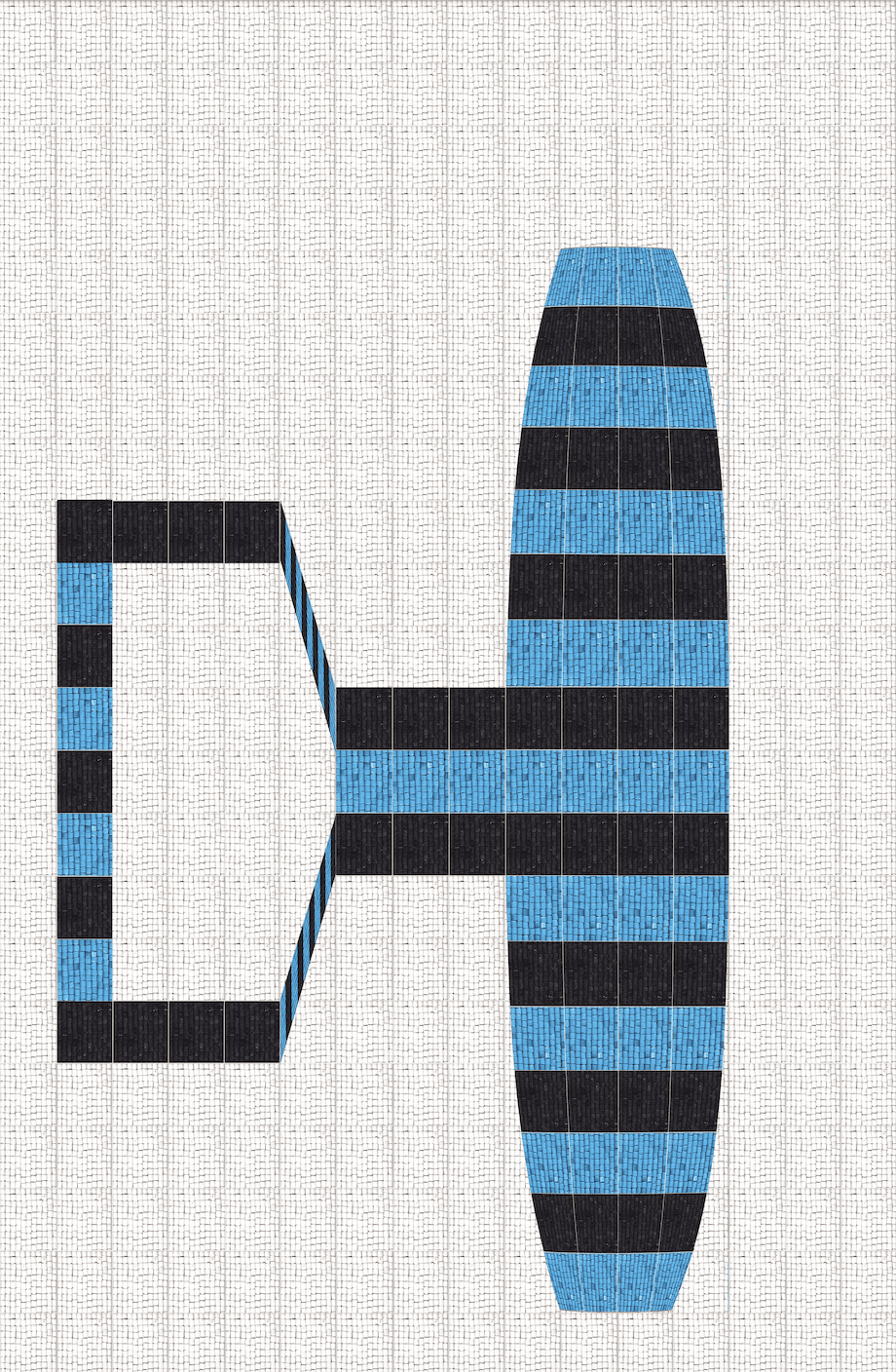
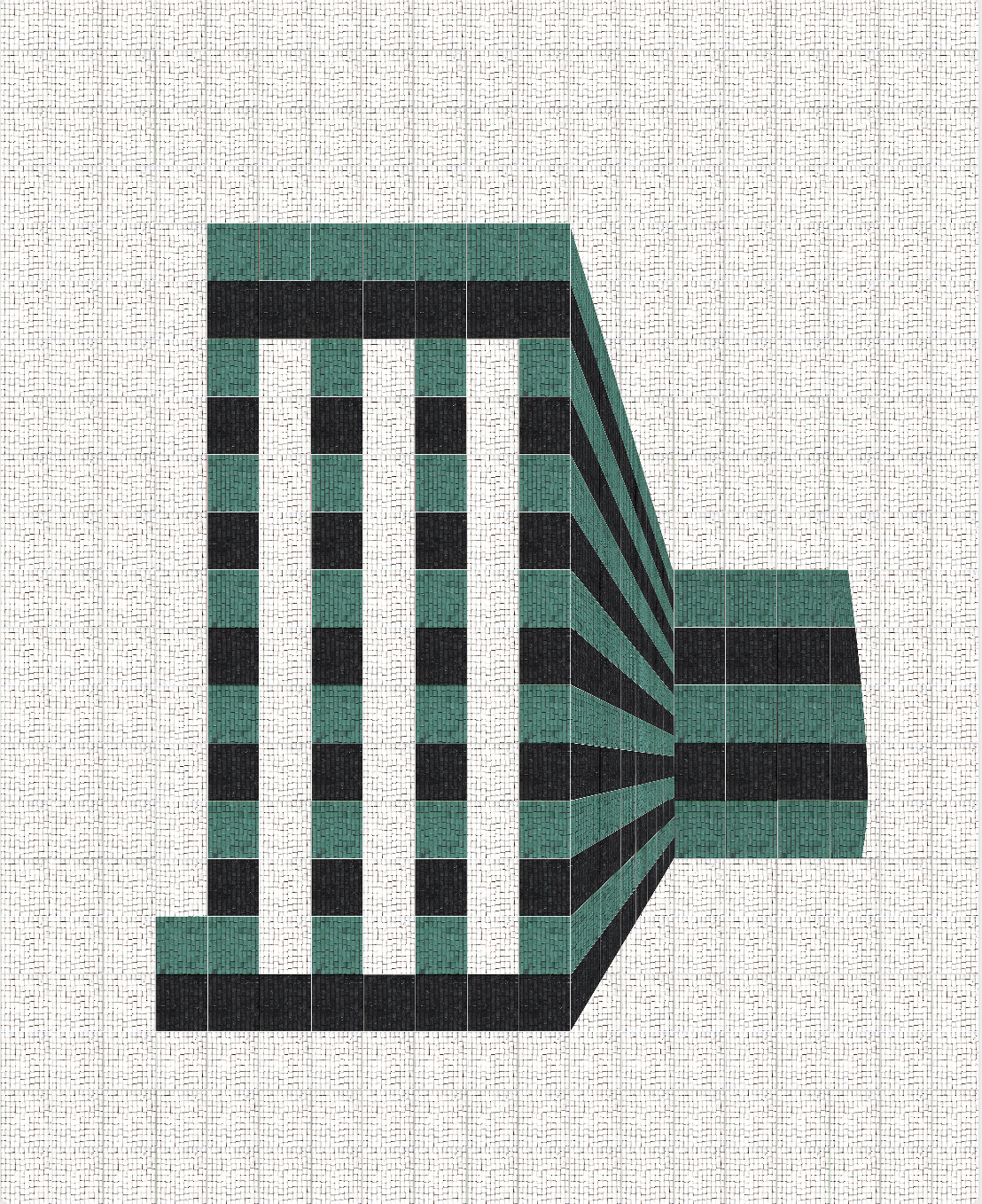
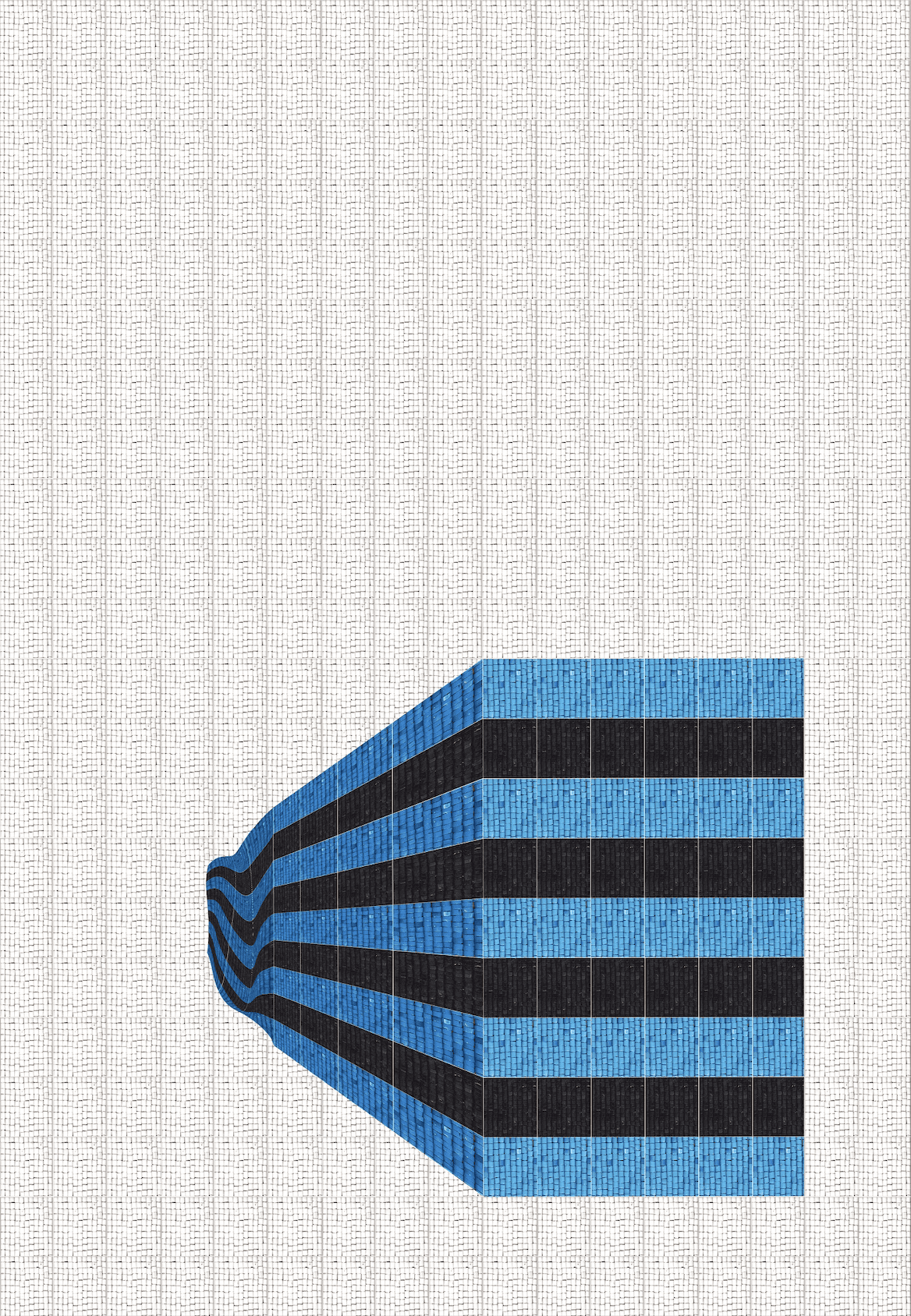
Born in Buenos Aires in 1970, Karina El Azem is an Argentine contemporary artist of Syrian descent. Her artistic practice explores perception, representation, ornament, nature, culture, and the systems through which meaning and beauty are constructed. Working across photography, installation, sculpture, painting, assemblage and digital processes, El Azem transforms familiar visual languages and everyday materials into works that invite viewers to reconsider what they see and how they interpret it.
El Azem graduated from the Escuela Nacional de Bellas Artes Prilidiano Pueyrredón, now part of the National University of the Arts (UNA), in Buenos Aires in 1992. Her practice has developed over more than three decades and has been presented extensively in Argentina and internationally. She has held more than twenty solo exhibitions at institutions and galleries including MUNTREF – Museum of the National University of Tres de Febrero, Museo Emilio Caraffa in Córdoba, Fundación Migliorisi and Museo del Barro in Asunción, Centro Cultural São Paulo, Galería Nara Roesler in São Paulo, Galería Ruth Benzacar and Centro Cultural Recoleta in Buenos Aires. Her work has also been exhibited in major international exhibitions and biennials, including BIENALSUR and the International Curitiba Contemporary Art Biennial at the Museo Oscar Niemeyer in Brazil.
Her works are held in important public and private collections internationally, including the Museo Nacional de Bellas Artes and Museo de Arte Moderno de Buenos Aires (MAMBA), MALBA – Museo de Arte Latinoamericano de Buenos Aires, MUNTREF, Museo de Arte Contemporáneo de Rosario (MACRO), Museo de Arte Contemporáneo de Salta, Museo de Arte Contemporáneo de Bahía Blanca, the Amalia Lacroze de Fortabat Collection, Fundación Konex, MOLAA – Museum of Latin American Art in Los Angeles, the Francis J. Greenburger Collection in New York, Centro Cultural São Paulo and Museo del Barro in Asunción.Based in Buenos Aires, Karina El Azem continues to develop a multidisciplinary practice in which ornament, cultural memory, perception and transformation converge.
Follow Artbooth
Abu Dhabi: +971 52 338 4009
+971 2 442 0243
info@artboothgallery.com
Seoul: +82 10-5088-1260
+82 2 560 1230
artboothseoul@artboothgallery.com
Join Mailing List


